How To Protect Your Pride And Job During Storage Season
For many automotive enthusiasts, winter isn’t just a season - it’s hibernation time for their pride and joy. Whether it’s a classic Porsche 911, a Lamborghini Huracán, a meticulously restored BMW E30, or a modern-day performance machine like an Audi RS6, the colder months can be disastrous if the vehicle isn’t protected correctly before storage. We’re talking about moisture damage, micro-scratches, contaminants settling into the paintwork, and even rust developing on wheels and brake components. Your vehicle may be safely parked in a garage, but without proper protection, the finish can still deteriorate over time.
This is where a professional storage protection detail - combining paint correction, ceramic coating, paint protection film (PPF), and wheel refurbishment - plays a crucial role. Whether you store your vehicle in a heated garage, under cover, or in specialist storage, preparing it properly ensures it looks as good next year as it does today.
In this article, we explore why investing in premium protection is essential before putting your car away for winter, and how premium detailing services create a barrier between your pride and the damaging winter environment.

Why Storage Without Protection is Risky
Even if your car never sees frosty roads, winter can still take a toll. Here’s why:
Moisture finds its way in, even in sealed garages. Condensation forms on cold surfaces, causing water spotting or even corrosion.
Dust and airborne contaminants settle on untreated paintwork. Over time, they create blemishes and dullness.
Micro-scratches appear when covers are removed or fitted, especially if the paint isn’t properly corrected or coated first.
Unprotected wheels and brake calipers are highly susceptible to corrosion, particularly if any moisture is present.
Leather interiors can dry and crack in cold conditions if not treated.
Vehicles without protection age over winter, even when they don’t move an inch.
The Role of Paint Correction Before Storage
Paint correction is often overlooked before storage, but it's one of the most critical steps. If you seal in scratches, swirl marks, or blemishes beneath ceramic coating or PPF, you’re not hiding damage…you’re preserving it.
Paint correction removes existing imperfections before protection layers are applied. It ensures that what’s stored over winter is pristine and ready to shine when the sun returns.
A Stage 1 or Stage 2 correction is ideal for most storage prep jobs. For rare classics or show vehicles, Stage 3 multi-step correction can restore the paint to an even higher concours level. Once corrected, we can apply protection with confidence.
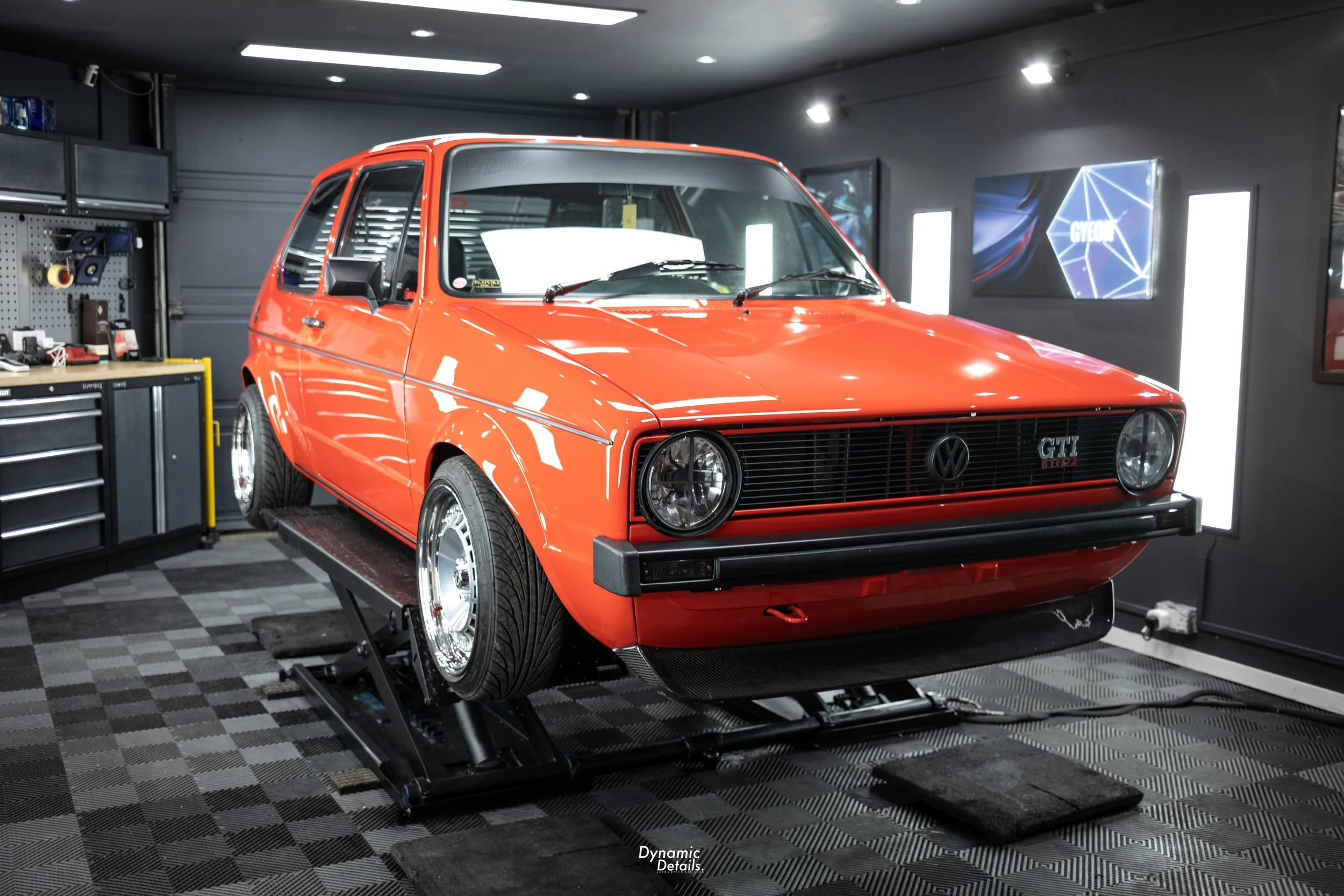
Ceramic Coating: Long-Term Storage Defence
Ceramic coating is perfect for garage-stored vehicles, as it:
Repels moisture and contaminants.
Reduces dust and grime adhesion.
Makes it easier to safely wipe down or clean the car without damaging paintwork.
Adds a deep gloss and keeps the finish preserved until spring.
Many owners believe ceramic coating is just to make washing easier, which is true, but for long-term storage, it's like putting armour on your paintwork.
If you want even stronger defence - especially for high-value or dark-coloured vehicles exposed to cover movement during storage - we recommend combining ceramic with PPF.
Why PPF Is the Ultimate Winter Protection
Paint Protection Film (PPF) offers enhanced durability and defends your car against:
Accidental knocks while moving the vehicle into or out of storage.
Abrasion damage from movement or interaction with covers.
Micro-scratches caused by dust trapped between the car and the cover.
Future stone chips or damage once the vehicle returns to the road.
For most storage protection packages, we recommend front-end PPF, including bonnet, front bumper, wings and mirror caps. Performance cars or extremely high-value classics will benefit from full-body PPF, especially if you want complete peace of mind.

Wheel & Caliper Refurbishment Before Storage
Winter moisture, temperature fluctuation and even salt residue from previous drives can cause corrosion on wheels and brake calipers - even if not driven.
A professional wheel refurbishment or powder coating, paired with caliper painting or protection, ensures:
No corrosion over winter
A factory or bespoke finish.
Enhanced appearance for display or events next year.
For those entering car shows or simply maintaining perfection, treating wheels and calipers before winter protects a commonly overlooked area.
Interior Treatments for Winter Storage
Many enthusiasts focus solely on the exterior, but interiors suffer too.
Leather can dry and crack in colder temperatures, especially in unheated garages. Alcantara and fabrics can hold moisture if not treated. A full interior ceramic sealant helps preserve material quality throughout storage.
Detailing Your Car Cover Routine
If you use a cover:
Always wash and protect the car before covering it.
Use a breathable indoor cover, not a plastic or waterproof outdoor cover.
Avoid covering a car with dust or grime, or you risk micro-scratches.
If storing in premium storage facilities, request weekly cover checks.
A well-prepared car with ceramic coating or PPF is less likely to be damaged when fitting or removing covers.
Final Storage Checklist for Enthusiasts
Here’s the kind of professional checklist we use when preparing cars for long-term storage:
✔ Full wash and decontamination
✔ Multi-stage paint correction
✔ Optional: Full or front-end PPF
✔ Ceramic coating applied to body, wheels, trims and glass
✔ Wheel and caliper treatment or refurbishment
✔ Leather and interior coating
✔ Tyre conditioning (anti-dry rot)
Why Now Is the Right Time to Book In
As we approach the end of the year, most premium vehicles begin coming off the road. This is the best time to treat and protect your car before it sits idle. Protecting now prevents invisible damage that will show up later.
Instead of uncovering your vehicle in spring and noticing dullness, moisture marks or fine scratches, get ahead today and enjoy a flawless summer return.